Always Be Expositioning
I am writing a longer prologue for my new book, which is going to serve as an introduction to the main “schtick” that will be driving the entire narrative to it’s conclusion. The idea of an exposition dump can be a bit tedious to some, but to me it’s necessary. Knowing where something/someone stands is important to me: a neurosis that eases my own hypervigilance.
Establishing the setting of a story within the first few pages of a book is critical. The sandbox that will be containing the main character, setting, and plot needs to be interesting and tangible right up front, otherwise the reader will lose interest. It’s been pointed out before, and I will do so again, but William Gibson’s short story Johnny Mnemonic does this so fantastically that I’ve been hard pressed to find a better “establishing shot” for a character/story:
“I put the shotgun in an Adidas bag and padded it out with four pairs of tennis socks, not my style at all, but that was what I was aiming for. If they think your crude, go technical; if they think you’re technical, go crude. I’m a very technical boy. So I decided to get as crude as possible. These days, though, you have to be pretty technical before you can even aspire to crudeness. I’d had to turn both those twelve-gauge shells from brass stock, on a lathe, and then load them myelf; I’d had to dig up an old microfiche with instructions for hand-loading cartridges; I’d had to build a lever-action press to seat the primers – all very tricky. But I knew they’d work.”
This varies by genre and setting. In Noir, the establishing shot is tight and intimate, letting the reader know that their journey will be through the psyche of the main character. In Science Fiction and Fantasy, we are often given a wide angle of a new world full of wonder, opportunity, or trepidation. And, perhaps, in Horror (I don’t read much horror, other than Lovecraft), the reader is often dropped in in medias res to signal to the reader that the malicious entity is preexisting, permeating the setting, that the characters are just footnotes in an otherwise ancient book.
I could go on, but those were the ones that I immediately thought of first.
Exposition though can be insulting. It can put the reader in a position where they feel coddled, like they can’t figure out the author’s angle without assistance. This is when things “talk at you”, rather than allowing the reader to be an observer. Growing up watching all kinds of film (good and bad), I appreciate the stopping power of the opening shot.
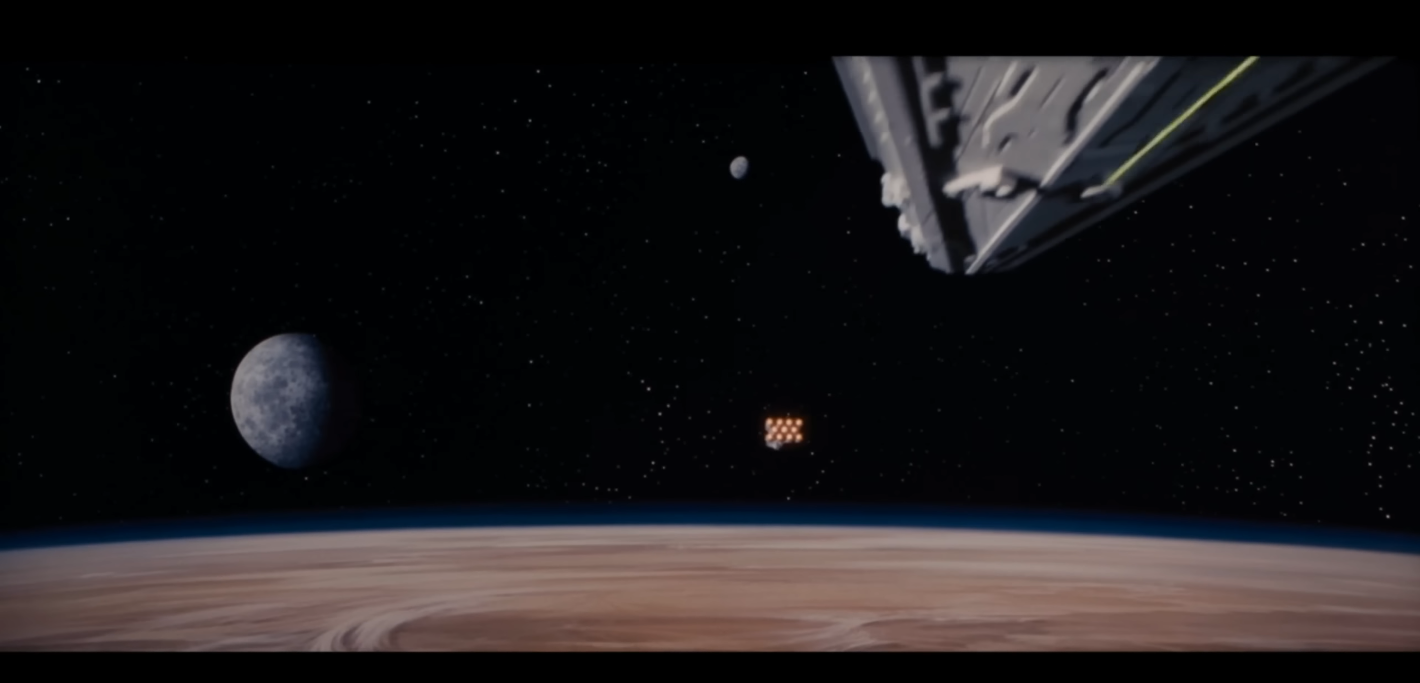
Star Wars: A New Hope
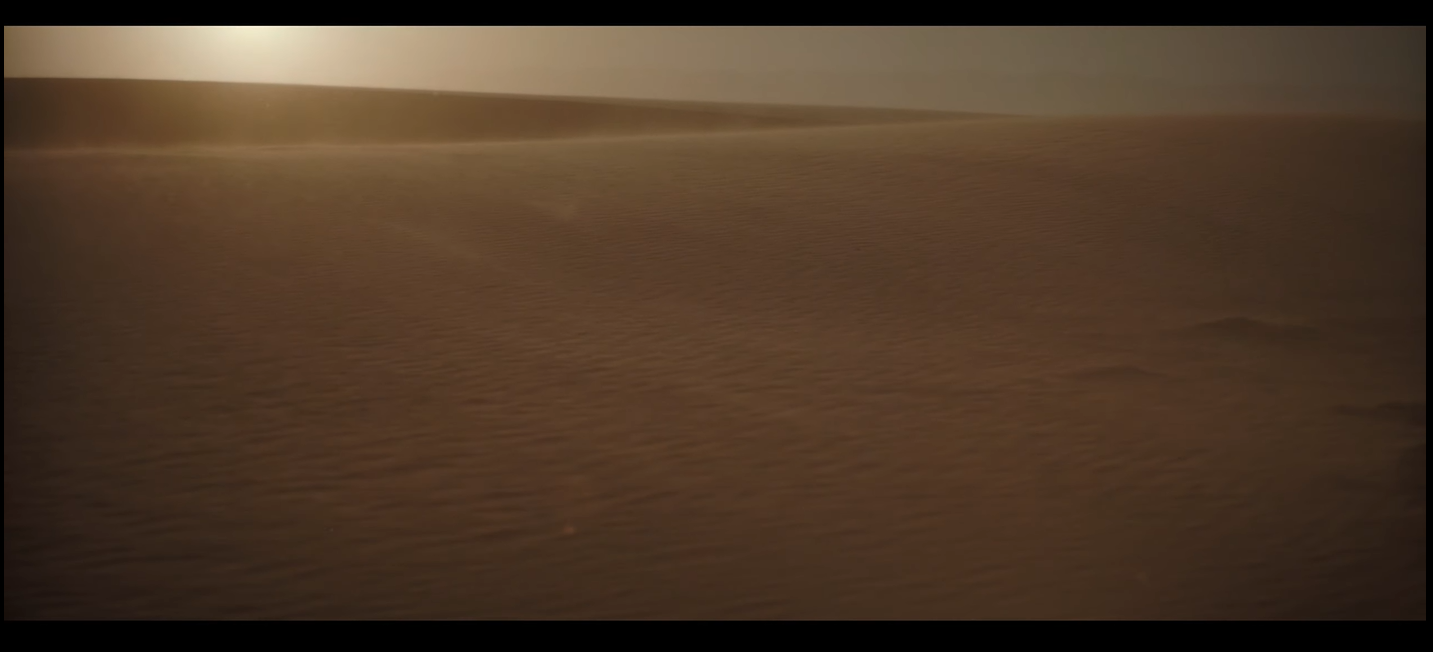
Dune: Part I
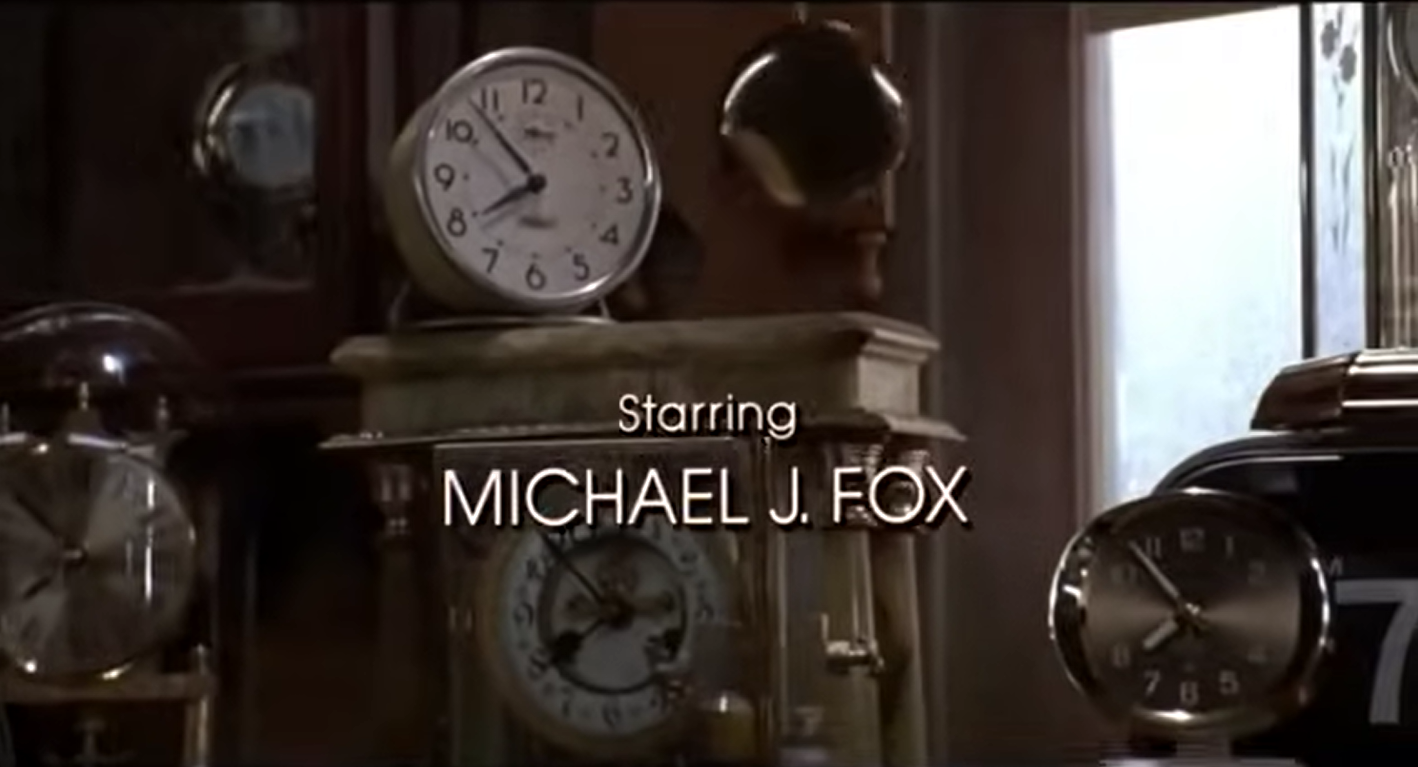
Back to the Future: Part I
I enjoy all of these shots, if only because they communicate so well, so quickly, what the movie will be about. In the opening scene of A New Hope, we see the unfolding of a grand space opera, as a tiny, seemingly defenseless ship attempts to outrun a massive warship, against the backdrop of an alien world with two moons. Similarly, the opening shot of planet Arrakis—a world of endless desert—with the golden flecks of spice floating along the winds, imparts onto Denis Villeneuve’s rendition of Frank Herbert’s Dune, spiritual and ethereal energy, as well as aspects of the surreal. A little less weighty, the opening credits roll for Back to the Future is set to a menagerie of strange, obscure clocks. It’s a dichotomy of order and chaos, where time is well ordered but outcomes are also multifaceted.
This is the power that an opening scene, or exposition, can have on a book, and this is why I’ve been laboring over mine a bit too much.
But what else is new?
